
Did you know that nearly 70% of fashion accessories lose their shine in India’s humid climate? This happens fast, making your favorite pieces look dull and old.
Anti-Tarnish Jewellery is a modern fix for those who love style. These pieces fight off moisture and sweat. They stay brilliant for years.
These accessories are great for busy days or special events. By picking Anti-Tarnish Jewellery, you choose lasting beauty. It faces your daily challenges head-on.
Key Takeaways
- Understand how specialized coatings protect your accessories from oxidation.
- Learn why these pieces are ideal for India’s unique weather conditions.
- Discover the difference between standard metals and long-lasting alternatives.
- Maintain the aesthetic appeal of your collection with minimal effort.
- Make smarter, more durable purchasing decisions for your wardrobe.
Understanding the Science Behind Anti-Tarnish Jewellery
Long-lasting accessories rely on advanced science. Metals like silver or copper react with oxygen and moisture. This creates a dull, dark layer that hides their beauty.
Anti-Tarnish Jewellery uses special tech to stop this. It creates a tiny barrier. This keeps your accessories shiny, even in humid places like India.
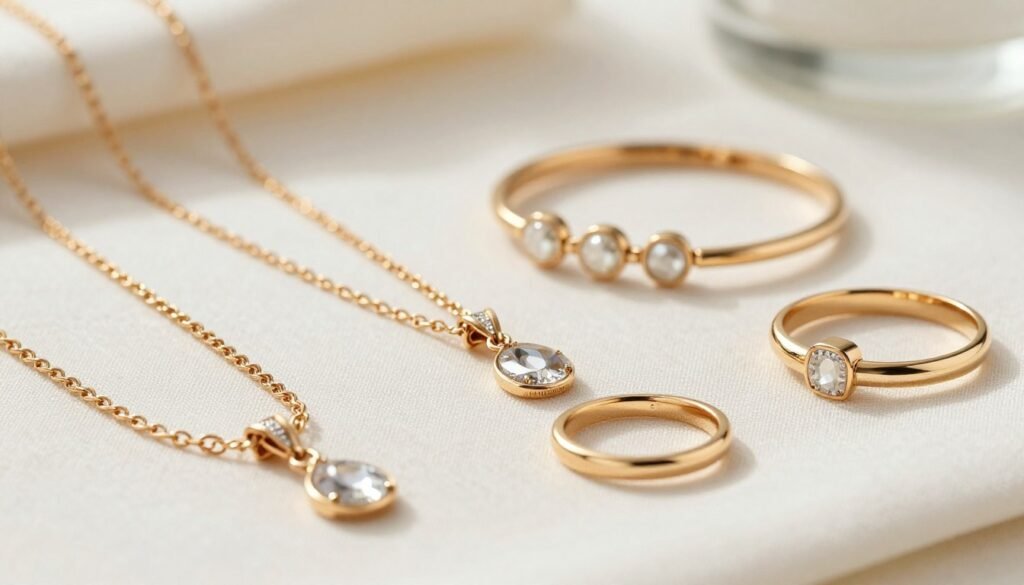
How Anti-Tarnish Coating Works
Quality pieces use PVD or clear polymer coating. These layers are incredibly thin but strong. They block sulfur and moisture, keeping the metal bright.
This layer is invisible but very effective. It doesn’t change the metal’s look but makes it last longer. Choosing anti-corrosion jewelry means you’re picking something made to last.
Distinguishing Between Plating and Anti-Corrosion Jewelry
Plating is just for looks. It doesn’t protect the metal from tarnishing. But anti-corrosion jewelry is made to fight off damage.
Here’s a table showing the main differences:
| Feature | Standard Plating | Anti-Tarnish Technology |
|---|---|---|
| Primary Purpose | Aesthetic color change | Surface protection |
| Durability | Wears off with friction | High resistance to wear |
| Oxidation Defense | Minimal to none | Advanced chemical barrier |
| Maintenance Needs | Frequent polishing | Low maintenance |
Knowing these differences helps you choose better. Opt for Anti-Tarnish Jewellery with special treatments. Your collection will stay bright and beautiful for a long time.
Why Anti-Tarnish Jewellery Is Ideal for the Indian Climate
India’s warm weather makes your accessories get hot and wet often. This makes regular metals look dull or change color fast. Anti-Tarnish Jewellery keeps your collection bright, like new.
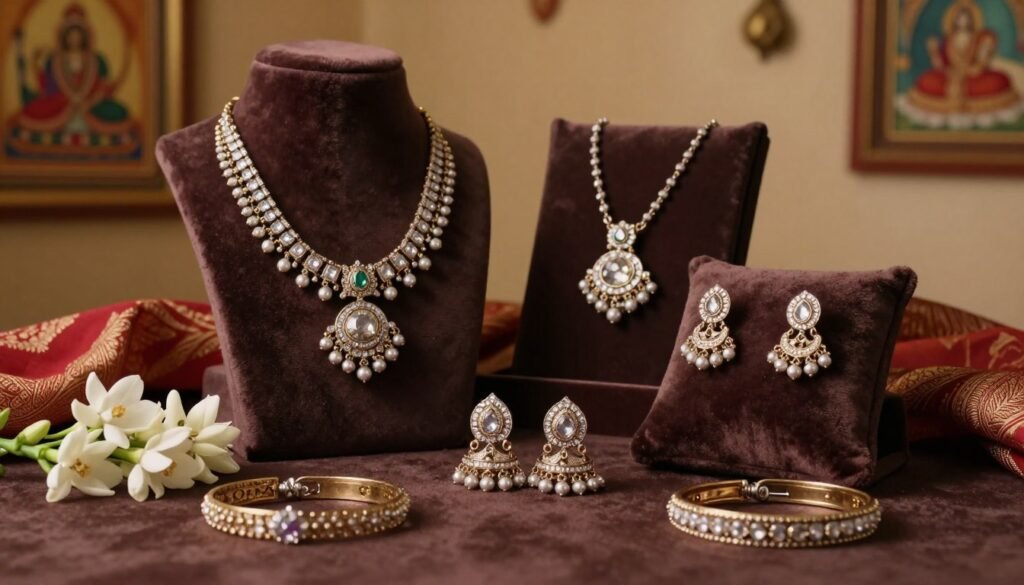
Managing Humidity and Oxidation in Coastal Regions
Places like Mumbai and Chennai have salty air that makes metals tarnish fast. Advanced coating technology stops salt from harming the metal.
“True elegance is not just about the design, but the ability of a piece to withstand the test of time and environment.”
Specialized jewelry fights off humidity’s harm. So, you can love your accessories without worry.
The Impact of Sweat and Daily Wear on Metal Integrity
India’s weather makes you sweat more, which can hurt jewelry. Regular plating doesn’t last long against sweat and oils. Anti-Tarnish Jewellery stays strong, even when it’s very hot.
Wear your jewelry anywhere, anytime. It stays good-looking, no matter the weather. Prioritizing quality materials keeps your jewelry looking great for years.
Identifying Quality Anti-Tarnish Solutions
Finding good pieces that stay shiny is key. You need to know what to look for. The market has many choices, but not all are true to their promises. By checking the details, you can pick anti-tarnish solutions that last.
Recognizing High-Quality Anti-Tarnish Treatment
When you look for new items, check the anti-tarnish treatment details. Good makers say what kind of protection they use. This is better than thin plating that fades fast.
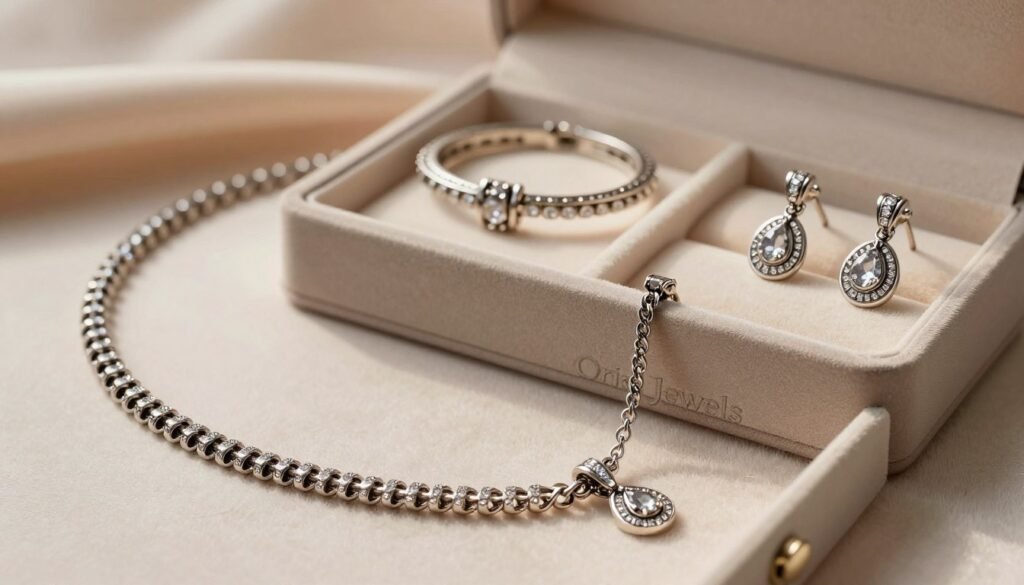
Look for talks about how the item holds up. A good brand will say how their anti-tarnish treatment fights off moisture and air. If it’s not clear, the item might not last long.
Common Materials Used in Tarnish-Resistant Jewelry
The best pieces start with strong materials. Most tarnish-resistant jewelry is made from top-grade stainless steel. It’s great because it doesn’t get damaged by sweat or oils.
Other strong choices are special alloys. These keep their shape over time. When you pick tarnish-resistant jewelry from these, it stays beautiful for years. Look for items that say what metal they’re made of. This shows they’re well-made.
Step-by-Step Guide to Selecting Your Daily Accessories
Starting a jewelry collection means knowing your lifestyle. Think about how your daily life affects your jewelry. Choosing wisely helps your pieces last longer.
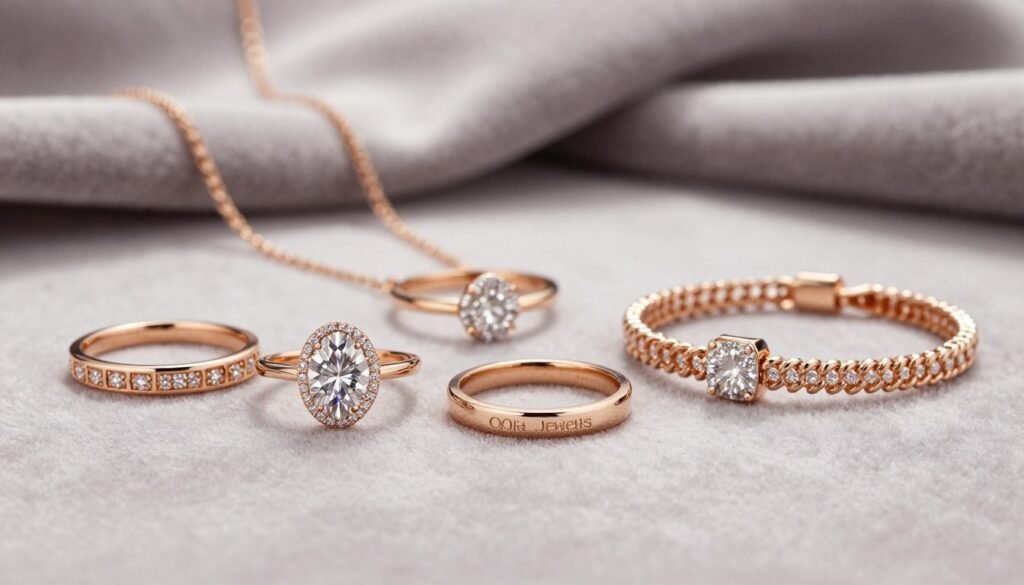
Assessing Your Lifestyle Needs
Your daily life decides what jewelry can handle. If you live near the sea or are always on the move, choose durable pieces. Prioritizing quality saves you money and time.
Think about these things:
- Daily Activity: Do you work inside or outside?
- Climate Exposure: Does your area get very humid or salty?
- Skin Sensitivity: Do you need jewelry that’s gentle on your skin?
Checking for Certification and Brand Reliability
It’s key to trust where your jewelry comes from. Good brands share how they make their jewelry. They also show how long the finish lasts.
| Feature | Reliable Brand | Generic Option |
|---|---|---|
| Warranty | Included | None |
| Material Info | Transparent | Vague |
| Testing | Certified | Unverified |
Verifying Anti-Tarnish Technology Claims
Understanding jewelry anti-tarnish technology is crucial. Top brands use PVD or nano-coatings to shield metal. These protect against damage and wear.
Ask about the jewelry anti-tarnish technology before buying. A good brand will explain how their coating works. Knowing this helps you pick jewelry that looks and lasts great.
How to Wear and Style Your Anti-Tarnish Pieces
Learning to accessorize can make your outfit shine. Good pieces last long, letting you try new looks. Thoughtful styling makes your collection versatile.
Layering Techniques for Everyday Elegance
Layering adds depth to your outfit. Pick a short chain and a long pendant for a balanced look. Try different textures, like snake and cable links, for a modern vibe.
Stack rings of different widths on your hands. Mix simple bands with bold pieces for a chic look. Keep metal tones the same for a classic feel.
Transitioning from Office Wear to Evening Events
Changing your look from work to evening is easy. Wear small hoops or a simple necklace during the day. This professional approach keeps you looking sharp at work.
For evening, add a bold touch. Switch to big earrings or layer a new necklace. These simple changes transform your look in no time.
Daily Maintenance Routines for Long-Lasting Shine
Keeping your jewelry new is easy with a daily cleaning habit. Even with strong anti-tarnish coatings, a little care goes a long way. Just a few minutes each night can make your jewelry last longer.
Cleaning Your Jewelry After Daily Exposure
Every day, your jewelry meets dust, pollution, and oils from your skin. These can dull its shine over time. Clean your jewelry with a soft cloth after each use to keep it bright.
After being in humid or dusty places, a quick rinse with warm water helps. Dry it well with a soft cloth before storing. Don’t use harsh soaps or rough scrubbers, as they can damage the coating.
Safe Storage Practices to Prevent Scratches
Storing jewelry right is as key as cleaning it. Don’t mix all your jewelry in one place. This can cause scratches and tangles. Give each piece its own spot to keep it looking new.
Using Anti-Tarnish Pouches and Boxes
Use special pouches or boxes to store your jewelry. They keep air and moisture away, which helps prevent tarnish. This way, your jewelry stays in a safe place and looks great.
Here’s a simple guide to keep your jewelry in top shape:
| Action | Frequency | Benefit |
|---|---|---|
| Wipe with microfiber cloth | Daily | Removes oils and dust |
| Store in anti-tarnish pouch | After every wear | Prevents oxidation |
| Check for loose clasps | Monthly | Ensures structural safety |
| Deep clean with mild water | Bi-weekly | Restores original shine |
Common Mistakes That Damage Anti-Tarnish Coatings
Keeping your accessories safe means knowing what habits can harm them. Your jewelry is made to last, but the anti-tarnish coating is fragile. Small mistakes in your daily routine can wear it down, making your jewelry look old.
Avoiding Harsh Chemicals and Perfumes
Many people damage their jewelry without realizing it. Beauty products like perfumes and lotions can harm the protective finish. These chemicals can dull your jewelry or make it lose its shine.
To keep your jewelry looking great, apply your beauty products first. Let them dry on your skin before wearing your jewelry. This simple step keeps your anti-tarnish coating safe and your jewelry bright.
Why You Should Remove Jewelry Before Swimming or Showering
Water can also damage your jewelry. Chlorine in swimming pools is especially bad for metals. Even high-quality jewelry will suffer from too much chlorinated water.
Also, take off your jewelry before washing your hands or showering. Soap and body wash can get stuck in your jewelry’s small spaces. Removing your pieces before these activities helps keep them looking new.
Restoring the Luster of Your Tarnish-Proof Accessories
Even the toughest jewelry can lose its shine over time. This is because of things like dust and oils. Keeping your tarnish-proof accessories clean is important to make them last.
Gentle Cleaning Methods for Home Care
You don’t need strong chemicals to clean your jewelry. A mix of mild dish soap and warm water works well. Use a soft, lint-free cloth to clean without scratching.
Make sure your tarnish-proof accessories are dry before you store them. Moisture can cause buildup. For light smudges, a jewelry polishing cloth can help.
When to Seek Professional Jewelry Polishing
Home care might not solve all problems. If your jewelry stays dull, see a pro. They can clean it safely without harming the protective layer.
Also, get help if stones are loose or if there are deep scratches. Trying to fix these at home can damage your jewelry. A jeweler can clean and check your items to keep them looking great.
| Maintenance Type | Frequency | Best For |
|---|---|---|
| Gentle Home Wash | Weekly | Removing daily dust and oils |
| Microfiber Buffing | After each wear | Restoring instant shine |
| Professional Polishing | Annually | Deep cleaning and structural checks |
Comparing Anti-Tarnish Jewellery with Traditional Precious Metals
Choosing between modern and traditional jewelry is tricky. Anti-Tarnish Jewellery is great for those who want easy-to-care-for pieces. Knowing the differences helps you pick what’s best for you.
Cost-Benefit Analysis for Daily Wear
Gold and silver are valuable but need special care. Anti-Tarnish Jewellery is made for daily wear. It looks fancy but costs less.
“True luxury is not just about the price tag, but how seamlessly an accessory integrates into your daily routine without demanding constant maintenance.”
Think about these points when buying:
- Initial Investment: Gold and silver are pricier.
- Maintenance Costs: They need professional cleaning.
- Replacement Value: Treated jewelry is cheaper to replace.
Durability and Aesthetic Longevity
Anti-Tarnish Jewellery is made to last. It fights off humidity and pollution well. This means it stays shiny longer than silver.
Gold is durable but can scratch easily. Modern coatings make it harder. This keeps your jewelry looking new.
| Feature | Traditional Metals | Anti-Tarnish Jewellery |
|---|---|---|
| Maintenance | High (Frequent polishing) | Low (Simple wipe-down) |
| Durability | Variable (Soft metals) | High (Coated surfaces) |
| Cost | Premium Investment | Budget-Friendly |
Your choice depends on what you value more. Mix both for a collection that suits your lifestyle. Enjoy traditional pieces for special times and modern ones for everyday.
Navigating the Market for Non-Tarnish Jewelry in India
Finding good jewelry in India can be hard. There are many choices online and in stores. Knowing what to look for helps keep your jewelry looking great for a long time.
Where to Find Authentic Anti-Tarnish Collections
Look for well-known brands that share how they make their jewelry. Many online stores in India have special sections for durable pieces. Check if they tell you about the metal and the coating.
Also, check out small jewelry makers in big cities like Mumbai and Delhi. They make unique, lasting pieces. Make sure to read reviews and check return policies before buying.
“True quality in jewelry is not just about the initial shine, but how well a piece retains its integrity through the rigors of daily life.”
Evaluating Price Points and Value
When buying non-tarnish jewelry, remember that price shows quality. Cheap jewelry might not last long. Spending a bit more means you won’t have to buy new pieces often.
Here’s a table to help you find the right tarnish-resistant jewelry for you.
| Source Type | Price Range | Quality Assurance | Best For |
|---|---|---|---|
| Luxury Boutiques | High | Certified Materials | Special Occasions |
| Reputable Online Brands | Moderate | Verified Coatings | Everyday Wear |
| Local Street Markets | Low | Variable/Uncertain | Trend-based Pieces |
By choosing wisely, you can get jewelry that lasts and looks good. Look for sellers who show proof of their metal treatments. This way, your jewelry will be a lasting part of your wardrobe.
Safety and Skin Sensitivity Considerations
You can wear beautiful accessories without worrying about skin irritation. When picking out accessories, think about how they feel on your skin. Knowing how materials affect your skin helps you choose safely and stylishly.
Hypoallergenic Properties of Modern Coatings
Today’s jewelry is made to be comfortable. A good anti-tarnish coating keeps your skin safe from the metal. This coating stops your skin from touching the metal that can cause problems.
Manufacturers use special methods to make these coatings strong and safe. These coatings don’t harm your skin, even in hot weather. So, you can wear your favorite jewelry every day, knowing it’s safe.
Identifying Potential Allergic Reactions to Base Metals
Even with coatings, some metals can still cause problems. Metals like nickel, copper, or cheap brass can make your skin itch. If your jewelry makes your skin red or itchy, it’s a sign of an allergy.
Look for “nickel-free” or “hypoallergenic” labels to avoid these issues. Choosing jewelry with a strong anti-tarnish coating lowers the chance of an allergic reaction. This way, your jewelry brings you joy, not discomfort.
| Metal Type | Sensitivity Risk | Common Usage |
|---|---|---|
| Nickel | High | Base alloy |
| Copper | Moderate | Base alloy |
| Stainless Steel | Low | Base/Coating |
| Sterling Silver | Low | Base metal |
Conclusion
Choosing jewelry that lasts in India’s humid weather changes your day. You feel sure your accessories stay bright, even with moisture and heat.
Brands like Giva and Tanishq have many choices that look good and last. By picking quality, your style stays sharp and clean.
Smart shopping keeps your jewelry looking good for years. You know the difference between short-lived trends and lasting pieces. Use this knowledge to build a collection that shows your style and lasts long.
Share your best jewelry tips with friends who care about lasting accessories. Your journey to a lasting jewelry collection begins with these smart choices. Enjoy the shine of your chosen pieces every day.